CAN THO CITY DEPARTMENT OF SCIENCE AND TECHNOLOGY
Nghiên cứu xác định cách tế bào phổi cảm nhận chitin, chất gây dị ứng có trong nấm và động vật có vỏ
Một số loài sinh vật gây dị ứng phổ biến nhất trên thế giới, từ mạt bụi đến nấm cho đến động vật có vỏ, có một điểm chung: chitin, loại polymer tạo nên thành tế bào dai ở nấm, bào tử nấm và vỏ tôm.
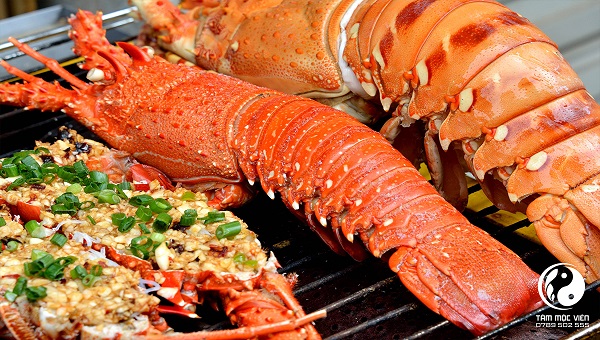
Ảnh minh học

Một chút chitin kích hoạt phản ứng miễn dịch trong phổi, có khả năng chuẩn bị cho chúng chống lại các bào tử nấm. Nhưng ở một số người, phản ứng đó trở nên tồi tệ, dẫn đến chứng viêm và hen suyễn nguy hiểm. Bất chấp những hậu quả nghiêm trọng về sức khỏe này, các nhà khoa học vẫn chưa biết phổi cảm nhận và phản ứng với chitin như thế nào.

Trong một nghiên cứu mới, các nhà nghiên cứu của Đại học Wisconsin-Madison cho biết đã phát hiện ra cơ quan thụ cảm đầu tiên được biết đến đối với chitin ở động vật có vú. Protein có tên gọi là LYSMD3 kích hoạt phản ứng miễn dịch trong tế bào phổi khi nó liên kết với chitin hoặc bào tử nấm mang chitin.

Việc phát hiện ra LYSMD3 đã giải quyết được một phần của phản ứng miễn dịch đối với chất gây dị ứng phổ biến này, nhưng cần phải nghiên cứu thêm để xác định xem LYSMD3 có thể đóng vai trò như thế nào trong các phản ứng dị ứng, bao gồm cả bệnh hen suyễn.

Nhiều năm trước, các nhà khoa học đã khám phá ra cách thực vật cảm nhận được chitin. Vì vậy, họ đã quét bộ gen người để tìm các protein có các phần liên kết với chitin tương tự như anh em họ thực vật của chúng. Họ đã phát hiện ra bốn ứng cử viên, được đặt tên là LYSMD1 đến LYSMD4. Chỉ có phiên bản 3 và 4 được dự đoán là nằm trong màng tế bào và trên bề mặt của nó, nơi chúng có thể tương tác với chitin.

Để kiểm tra xem liệu các protein có thể cảm nhận được chitin hay không, các nhà nghiên cứu đã thực nghiệm giảm lượng LYSMD3 và LYSMD4 trong các tế bào phổi ở người được nuôi trong phòng thí nghiệm. Sau đó, cho các tế bào tiếp xúc với chitin.

Các nhà nghiên cứu phát hiện ra rằng các tế bào thiếu LYSMD3 tạo ra ít hóa chất gây viêm có tên gọi là cytokine. Cytokine là tuyến phòng thủ đầu tiên của cơ thể chống lại những kẻ xâm nhập. LYSMD4 dường như không phản ứng với chitin.

Trong các thí nghiệm tiếp theo, các nhà nghiên cứu đã xóa hoàn toàn gen LYSMD3 trong tế bào phổi. Giống như các tế bào tạo ra ít thụ thể hơn, các tế bào không sản xuất LYSMD3 sẽ tiết ra ít cytokine hơn để đáp ứng với chitin hoặc nấm mang chitin.

Nhóm nghiên cứu cũng phát hiện ra rằng protein LYSMD3 tinh khiết có thể bám chặt vào cả chitin tinh khiết và chitin tự nhiên trên nấm bệnh. Và protein cũng có thể liên kết với một thành phần khác của thành tế bào nấm có tên gọi là beta-glucan, có thể giúp nó phát hiện chính xác các mầm bệnh xâm nhập.

Mặc dù LYSMD3 dường như đóng một vai trò trong việc cảm nhận và phản ứng với chitin trong tế bào phổi, vẫn chưa rõ liệu nó có hợp tác với các protein khác hay không hoặc nó ảnh hưởng như thế nào đến cường độ của phản ứng viêm. Cường độ đó là chìa khóa để hiểu khi nào tình trạng viêm mất kiểm soát để tạo ra các triệu chứng như hen suyễn. Giải mã quá trình này sẽ cần nhiều nghiên cứu hơn.

ctngoc

www.technology.org
Most viewed news

Apple Plans to Transform Siri into a Chatbot

Apple is reportedly preparing a major upgrade for iOS 27 and macOS 27, with a strong focus on AI-powered photo editing and a redesigned Siri that behaves more like a chatbot than ever before.

YouTube Tests New AI-Powered Q&A Search Mode

YouTube is experimenting with a new AI-driven search experience designed for users who often turn to the platform for recipes, travel planning, or step-by-step tutorials. Instead of simply returning a list of videos, the new tool allows users to ask direct questions and receive structured, step-by-step answers that blend text, short clips, and full-length videos.

Russian Engineers Double CNC Processing Speed with Breakthrough Machine Design

In a major leap for modern manufacturing, researchers at Izhevsk State Technical University (IzhGTU) named after M.T. Kalashnikov have developed a new method for operating CNC machining centers that doubles productivity without requiring expensive hardware upgrades.

Xiaomi’s Next-Gen XRING O3 Chip Leak Points to Foldable Phone Debut

Xiaomi is reportedly preparing to launch its self-developed XRING O3 processor, with leaks suggesting it will debut inside the upcoming Xiaomi 17 Fold. The new chip appears in Mi Code under the codename “lhasa”, hinting at a design optimized for multitasking on foldable devices.

Resolutely promoting digital transformation, developing science and technology, and reforming administrative procedures

The Government Office issued Notice No. 167/TB-VPCP concluding the second meeting in 2026 of the Government’s Steering Committee for the development of science, technology, innovation, digital transformation, and Project 06.

Scientific and technological autonomy: From accumulated foundations to value creation

Strategic autonomy in science and technology is no longer a distant goal but has become an urgent requirement as the accumulated foundation is now sufficient and the time for action has matured. With distinctive advantages such as rare earth resources, tropical forest ecosystems, abundant fisheries, and an important geostrategic position, Vietnam has a solid basis to develop and master technologies from its internal capacity, thereby creating differentiated and sustainable competitive advantages.

Nurturing high-quality technology human resources from P-Innovation 2026

On April 3, the Posts and Telecommunications Institute of Technology held the Final Round of the P-Innovation 2026 competition, aiming to promote the development of an innovation ecosystem within the university environment, associated with training high-quality human resources and developing technology products.

Guidelines for the dedicated data transmission network serving Party and State agencies

The Minister of Science and Technology has issued Circular No. 06/2026/TT-BKHCN stipulating details and providing guidance on several provisions of Decision No. 33/2025/QĐ-TTg dated 15 September 2025 of the Prime Minister on the Dedicated Data Transmission Network serving Party and State agencies.

The development of science, technology, and innovation becomes the main driver of economic growth.

Deputy Prime Minister Nguyen Chi Dung signed Decision No. 604/QD-TTg dated 02/4/2026 approving the adjustment and supplementation of the Strategy for the development of science, technology, and innovation to 2030 (the Strategy).

Related news
CAN THO CITY DEPARTMENT OF SCIENCE AND TECHNOLOGY

Copyright @ 2021 belongs to the Can Tho City Department of Science and Technology
Address: No. 02, Ly Thuong Kiet, Ninh Kieu Ward, Can Tho City
Phone: 0292.3820674, Fax: 0292.3821471; Email: sokhcn@cantho.gov.vn
Head of the Editorial Board: Mr. Tran Dong Phuong An - Deputy Director of the
Can Tho City Department of Science and Technology

Copyright © 2021 All rights reserved | This template is made by CASTI'1987