Driving Technology Transfer and Mastery to Boost National Competitiveness
In the context of Vietnam’s determined implementation of Resolution No. 57-NQ/TW, mastering and applying modern technology has become a decisive factor in enhancing national competitiveness.
To improve the legal framework and facilitate this process, the Ministry of Science and Technology (MOST) has issued Circular No. 11/2026/TT-BKHCN, which sets out application forms for technology appraisal procedures in special cases, as well as for state purchase and dissemination of technology.
Aligning with Major Laws
The Fourth Industrial Revolution is placing urgent demands on strengthening endogenous technological capacity, promoting technology transfer, mastery, and application—one of the key pillars emphasized in Resolution No. 57-NQ/TW.
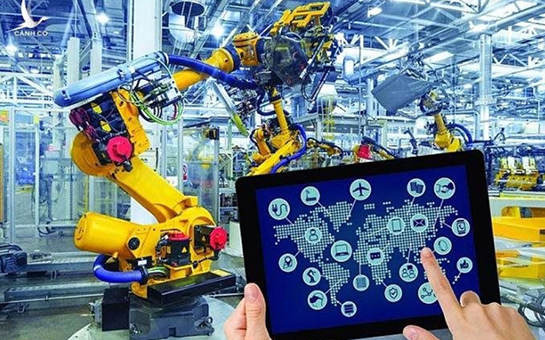
Circular No. 11/2026/TT-BKHCN was developed as part of a comprehensive plan to institutionalize new regulations passed by the National Assembly. It serves as a “link” ensuring consistency among major laws, such as the Law on Science, Technology & Innovation and the amended Law on Technology Transfer. This contributes to building a synchronized innovation ecosystem, with enterprises at the center, fostering commercialization of research results and developing the science and technology market.
The amended Law on Technology Transfer expands policy space to encourage technology transfer and mastery. The State now regulates forms of ownership and usage rights of technology, allows capital contribution through technology, and automatically grants ownership rights to organizations that create technology using state budget funds, enabling them to determine and negotiate its value.
The State also purchases and disseminates technology for public-interest research and application, while mandating technology transfer in cases consistent with domestic law and international commitments.
At the same time, the law promotes the development of the science and technology market by allocating budget to build networks of intermediary organizations that support technology transfer, and by strengthening public-private cooperation to mobilize social resources.
Financial and legal incentives are also introduced: expenses for technology transfer can be deducted when calculating taxable income, and priority is given to transferring high-tech, strategic technologies, and disseminating them to SMEs, cooperatives, and individual businesses.
Unlocking Challenges in Technology Management
The core of Circular No. 11/2026/TT-BKHCN lies in its system of 10 specialized application forms, designed to address two major aspects of technology management today. These forms aim to make processes more transparent and enable new technologies to be quickly evaluated and applied in practice—helping shorten the gap between research and market, a long-standing weakness in Vietnam’s innovation system.
First, for technology appraisal in special cases, the Circular provides forms for technologies created or applied by organizations and individuals that require thorough evaluation by state authorities to ensure safety, efficiency, and suitability for production and business.
Second, the mechanism for state purchase and dissemination of technology is clarified with criteria on utility, implementation capacity, intellectual property rights, and budget efficiency. This tool allows the State to proactively secure technology supply for essential sectors such as defense, security, healthcare, education, environment, and disaster or epidemic prevention, while also spreading technology to enterprises, especially SMEs.
The amended Law on Technology Transfer, effective April 1, 2026, introduces new priorities for transferring high-tech, strategic technologies, and those serving national projects, defense, and security. It also offers investment, tax, land, and credit incentives for foreign-invested projects involving technology transfer, training, and R&D capacity building in Vietnam.
Toward Digitalization and Innovation
Circular No. 11/2026/TT-BKHCN provides clear, standardized forms with high data compatibility, laying the foundation for digitalizing application and processing procedures online in line with the national digital transformation agenda. This reduces compliance costs and enhances administrative efficiency.
Unified application forms will also help authorities build a scientific technology database, enabling more accurate and targeted support policies for technology adoption and innovation.
The Innovation Department under MOST has already planned training and guidance sessions nationwide to ensure smooth implementation of the Circular.
The issuance of Circular No. 11/2026/TT-BKHCN is expected to encourage Vietnamese enterprises to invest boldly, master, and commercialize research outcomes. By removing bottlenecks in applications and procedures, the flow of technology will contribute positively to the sustainable development of the national economy.