Vietnamese Businesses Shift Strategy: Boosting Productivity by Cutting “Waste Work”
Rising costs of raw materials, labor, and logistics are forcing many manufacturers in Vietnam to rethink their operations. Increasing overtime or hiring more workers is no longer seen as a sustainable solution to productivity challenges. Instead, a new trend is emerging: eliminating non-value-added tasks, often referred to as “waste work.”
From “Doing More” to “Doing Right”
For years, productivity was often understood simply as producing more goods within the same timeframe. But this approach is showing its limits as input costs rise and opportunities to expand resources shrink.
In reality, many factories face significant inefficiencies: waiting time between processes, excessive inventory, redundant tasks, and defective products requiring rework. These factors not only drive up costs but also reduce overall quality.
To address this, businesses are increasingly adopting modern management methods such as Lean and Kaizen. Both focus on identifying and eliminating waste throughout the production process. As one productivity improvement expert noted: “Companies don’t need to do more—they need to make fewer mistakes. Simply reducing errors and waiting time can significantly boost productivity without major investments.”
Real-World Results
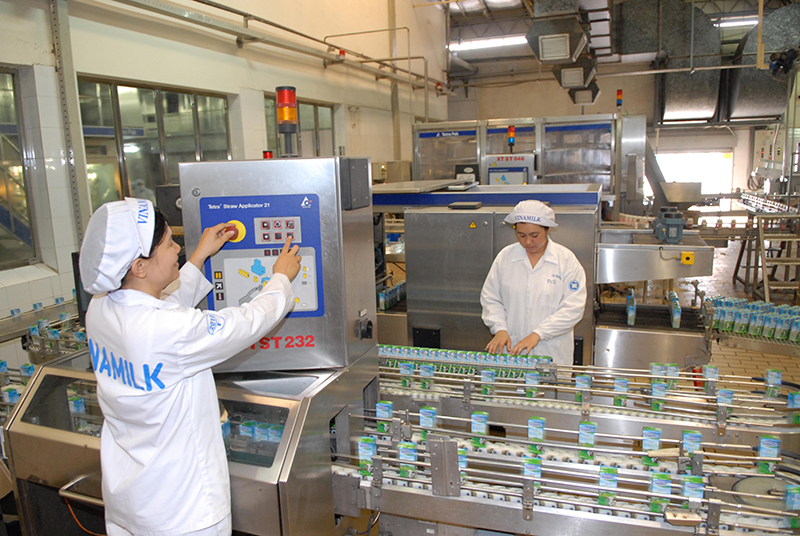
Several companies have already seen clear benefits from cutting waste. At Vinamilk, applying lean management tools has optimized production lines, reduced raw material waste, and improved operational efficiency. Productivity rose while strict quality standards were maintained.
Similarly, Binh Minh Plastics has implemented internal improvement programs to shorten production time and reduce inventory. Standardizing processes and removing unnecessary steps helped the company cut costs while improving responsiveness to customer orders.
Notably, these improvements did not come from expensive technology investments, but from reorganizing workflows and raising worker awareness about waste reduction.
Empowering Workers, Changing Culture
A key element of Lean and Kaizen is the role of workers. Instead of simply following preset procedures, employees are encouraged to propose improvement ideas—even small changes in daily tasks. Many companies report that initiatives from frontline workers often deliver the most tangible results, since they understand the bottlenecks best.
This approach also transforms corporate culture—from command-driven operations to continuous improvement driven by participation. When individuals embrace the mindset of “doing better every day,” productivity becomes a natural outcome rather than a burden.
Building the Foundation for Transition
In today’s highly competitive environment, especially with deeper integration into global supply chains, demands for productivity and quality are rising. Businesses must not only produce faster but also more consistently, with fewer errors and lower costs.
Relying on resource expansion is inefficient and risky in volatile markets. In contrast, companies that optimize processes and eliminate waste gain a significant edge in maintaining profit margins and competitiveness.
Experts emphasize that this is not a short-term trend but a structural shift in how businesses approach productivity. Cutting waste does not mean reducing activity—it means focusing resources on tasks that truly create value.
Still, process optimization is only the first step. Sustaining and scaling improvements will require supportive tools, including technology. As the next stage unfolds, productivity will come not just from “doing right,” but from “working smart.”
Ultimately, in this new context, productivity is no longer about quantity—it’s about quality at every stage of operations. And the journey toward higher efficiency can begin with something as simple as eliminating unnecessary work.