Pharmaceutical Enterprises Transform with GACP-WHO Standard Cultivation Model
Leveraging Vietnam’s rich medicinal plant resources, the country is shifting toward production models aligned with GACP-WHO standards, with enterprises playing a central role in building closed and sustainable value chains.
Vietnam is recognized as one of Southeast Asia’s most diverse nations in terms of medicinal plants, boasting thousands of species valuable in both traditional and modern medicine. Yet for many years, this advantage was underutilized due to fragmented production, weak supply chain linkages, and insufficient quality control at the source.
In recent years, as demand for natural-origin products has surged, the market for clean medicinal herbs has opened new opportunities. Several localities have begun establishing medicinal plant cultivation zones, laying the groundwork for domestic raw material development. However, challenges remain, particularly in inconsistent planning and limited adoption of international standards.
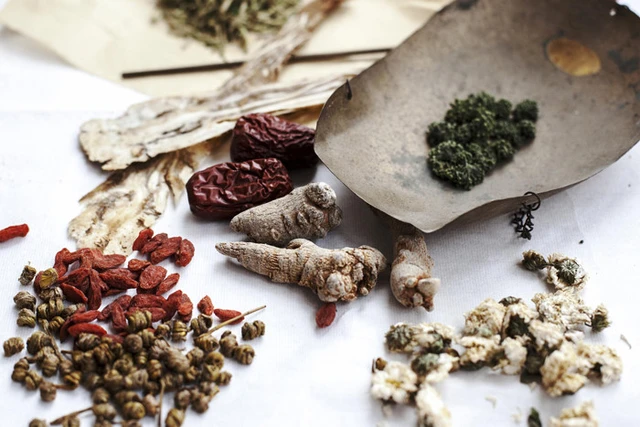
According to the Department of Traditional Medicine Management, without strict control from cultivation to harvesting and preliminary processing, Vietnamese medicinal herbs struggle to meet the stringent requirements of export markets. In this context, GACP-WHO standards are increasingly seen as the “backbone” of sustainable medicinal plant development.
GACP-WHO is an international framework covering the entire production process—from seed selection, cultivation, and care to harvesting, preservation, and transportation. Applying these standards ensures stable quality, consumer safety, and crucially, traceability—an increasingly mandatory factor in global supply chains.
In practice, many domestic enterprises have begun investing in this model, not only in production but also in building broader medicinal ecosystems.
Nam Duoc JSC is among the pioneers, developing a GACP-WHO-certified balloon flower cultivation zone in Lao Cai to supply raw materials for herbal products. This model allows the company to control quality at the source rather than relying solely on external purchases.
Meanwhile, Vietnam Medicinal Materials JSC is expanding cultivation of chrysanthemum, angelica, and achyranthes in northern mountainous regions. These zones are managed under unified processes from farming to harvesting, ensuring stable and traceable raw material supplies.
For OPC Pharmaceutical JSC, developing medicinal plant cultivation zones is a long-term sustainable business strategy. It not only secures clean input materials but also addresses the healthcare sector’s demand for medicinal herbs. Through partnerships with localities—especially remote provinces—the company contributes to local economic growth, job creation, land use optimization, and conservation of Vietnam’s valuable native medicinal resources.
Taking another approach, Nu Hoang Ginseng Trading & Production Co., Ltd. has built a closed ecosystem model. Beyond purchasing, the company actively organizes production and works alongside farmers throughout the cultivation process. According to director Ho Trieu Phu Duy, sustainable development requires all stakeholders—from growers and enterprises to markets—to share benefits and responsibilities, avoiding disruptions in the value chain.
Similarly, Truong Sinh Group is collaborating with Quang Nam Medicinal Plant Cultivation & Processing JSC to develop clean, tightly controlled raw material zones for Ngoc Linh ginseng. Their “cultivation–factory–market” linkage model is considered a strategic direction, ensuring consistency from raw materials to finished products.
The company has also invested in GMP, GMP-WHO, and ISO-certified factories, focusing on deep processing, particularly Ngoc Linh ginseng extraction, to create high-value products. Its long-term plan includes expanding cultivation zones, upgrading processing technology, and developing multi-channel distribution systems to broaden market reach.
Experts emphasize that for standardized medicinal models to grow sustainably, coordinated efforts among the government, enterprises, and farmers are essential. Policies on cultivation zone planning, technical support, and investment capital play a critical role in driving production transformation.
With rising demand for clean medicinal herbs, adopting GACP-WHO standards is no longer a trend but a necessity. As enterprises lead value chains and farmers engage more deeply in production ecosystems, Vietnam’s medicinal plant industry is expected to gradually strengthen its position and expand internationally.
Early pioneering models have already demonstrated that investing in quality at the source not only delivers economic benefits but also builds lasting consumer trust—an essential foundation for the industry’s long-term growth.