Traceability: Building a synchronized management system on a digital platform.
In the context of increasingly stringent global trade standards, traceability is no longer a supporting tool but has become a mandatory requirement for goods. Building a synchronized, interconnected, and digitally-based traceability system is considered a key solution to improve management capacity, protect consumers, and increase the competitiveness of Vietnamese goods in the international market.
In the process of deep integration, traceability is shifting from a encouraged requirement to a mandatory condition, especially for exports. Major markets such as the European Union (EU), the United States, Japan, and China have all implemented strict regulations on supply chain transparency, requiring businesses to provide complete information on input materials, production processes, environmental standards, and social responsibility.
Information transparency not only helps control quality but is also a decisive factor in maintaining and expanding market share for goods. Many Vietnamese agricultural and food products have had to supplement their traceability systems to meet import requirements, from planting area codes and packaging facilities to production logs.
Deputy Minister of Science and Technology Le Xuan Dinh emphasized that as countries implement mandatory traceability and apply digital product passports, Vietnam needs to elevate traceability to a national management system, operating synchronously and based on digital technology. This is not only a tool for domestic management but also a condition for Vietnamese goods to participate more deeply in the global value chain.
In reality, many businesses have come to regard traceability as a "digital passport." A longan-growing cooperative in Hung Yen, after applying QR codes for traceability to each batch of products, has expanded its export market to Europe and Japan. Consumers can simply scan the code to find out information about the growing region, harvest date, packaging unit, and quality standards. Thanks to transparent information, the value of the product has increased significantly, while reducing the risk of counterfeiting or mixing in substandard goods.
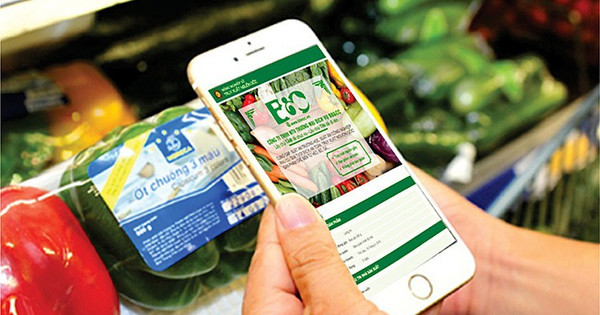
Traceability has become a mandatory requirement, built upon a digital technology platform. (Illustrative image)
According to Mr. Nguyen Nam Hai, Chairman of the National Committee for Standards, Metrology and Quality, after 5 years of implementing Project 100 on traceability as directed by the Prime Minister, Vietnam has gradually formed a unified traceability data infrastructure. This system connects ministries, sectors, localities and the business community, creating a foundation for more transparent and effective product quality management.
From initial pilot models, traceability has now been applied in many fields such as agricultural products, food, seafood, pharmaceuticals, and consumer goods. Many localities have built their own traceability systems and connected them to the National Traceability Portal, creating an interconnected data network.
Establishing a centralized traceability system helps regulatory agencies quickly identify the origin of products when quality issues occur. For example, if a batch of food is found to be substandard, authorities can trace back the entire supply chain, from the manufacturer and distributor to the retail outlet, thereby isolating and addressing the issue promptly, minimizing risks for consumers.
Despite achieving many positive results, the implementation of traceability still faces challenges. According to Mr. Nguyen Duc Le, a representative of the market management force, the application of international traceability standards such as GS1 needs to be implemented more synchronously to ensure consistency and data integration nationwide.
Currently, many export businesses have proactively invested in modern traceability systems to meet the requirements of international partners. However, in the domestic market, adoption is still uneven, especially among small and medium-sized enterprises.
Inspections have revealed that in some sectors, such as food and cosmetics, the problem of incomplete labeling or difficulty in tracing the origin of goods still persists. This not only hinders management but also affects consumer trust.
Therefore, establishing a unified management framework, applying common data standards, and establishing information update procedures are considered key factors in forming a synchronized traceability system.
From a scientific and technological perspective, Professor Chu Hoang Ha, Vice President of the Vietnam Academy of Science and Technology, believes that Vietnam has the capacity to develop a modern traceability ecosystem based on technologies such as QR codes, RFID, the Internet of Things (IoT), blockchain, big data, and artificial intelligence.
These technologies enable the real-time collection, storage, and verification of data, ensuring transparency and immutability. For example, in the seafood industry, assigning traceability codes to each shipment helps control the entire process from farming, harvesting, processing, to export, meeting the stringent requirements of importing markets.
Furthermore, integrating traceability systems with electronic customs, e-commerce, and quality management systems will help reduce compliance costs, improve management efficiency, and facilitate businesses in their production and trading activities.
Experts believe that traceability should be considered a crucial component of the national digital infrastructure. When properly organized and operated on a digital platform, this system not only supports quality management but also contributes to combating trade fraud, protecting Vietnamese brands, and enhancing national competitiveness.
In the long term, building a national-level traceability program, with the synchronized participation of management agencies, businesses, and science and technology organizations, will create a foundation for a transparent, interconnected, and sustainable data ecosystem.
When each product has a clear “digital record” that is updated throughout the entire process from production to consumption, traceability becomes not only a management tool but also a core digital infrastructure, contributing to improving product quality, strengthening market confidence, and positioning Vietnamese goods more firmly in the global supply chain.
Center for Science and Technology Communication