Ensuring safety and electromagnetic compatibility for LED lighting products.
The rapid development of the LED lighting market brings many benefits in terms of energy saving and efficiency, but also poses numerous challenges regarding electrical safety and electromagnetic interference. In response to the need to protect consumers and restore order to the market, tightening technical requirements for LED lighting products has become an urgent necessity.
In the context of a rapidly developing LED lighting market, both in scale and variety, but also with potential risks regarding electrical safety and electromagnetic interference, the Ministry of Science and Technology has issued Circular No. 56/2025/TT-BKHCN, officially announcing the National Technical Standard QCVN 19:2025/BKHCN on electrical safety and electromagnetic compatibility (EMC) for LED lighting products.
QCVN 19:2025/BKHCN is expected to become an important "technical filter," contributing to restoring market order, protecting consumer rights, and creating a foundation for the sustainable development of the LED lighting industry.
In recent years, LED lighting products have become increasingly popular in households, offices, industrial areas, and public buildings due to their advantages of energy saving, long lifespan, and increasingly affordable prices.
However, management practices show that the quality of LED products on the market is still inadequate. Many cheap, unregulated products, lacking strict electrical safety and EMC control, have caused electrical leakage, overheating, and even electromagnetic interference, affecting the operation of surrounding electrical and electronic equipment.
In many residential and office areas, users have reported that poor-quality LED lighting interferes with Wi-Fi signals, affecting security camera signals and smart control systems, and even posing potential safety risks to medical equipment or automated control systems in hospitals and factories. These real-world warnings highlight the need for a unified and robust technical standard to manage the issue.
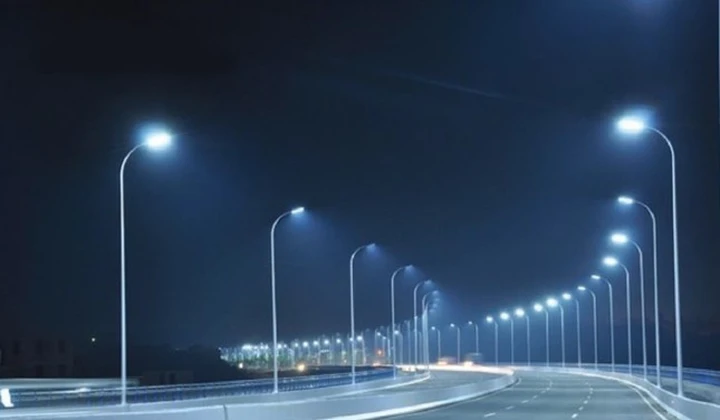
According to regulations, LED lighting products sold in the Vietnamese market must ensure they do not pose a danger to users under normal working conditions.
Based on that, QCVN 19:2025/BKHCN was developed with the aim of updating new technical standards, harmonizing with international standards, and at the same time being suitable for the practical conditions of Vietnam. The regulation focuses on two key pillars: electrical safety and electromagnetic compatibility (EMC).
According to regulations, LED lighting products circulating in the Vietnamese market must ensure that they do not pose a danger to users under normal and expected working conditions, while limiting electromagnetic interference emissions and not impairing or hindering the normal operation of other electrical and electronic equipment.
Notably, the EMC requirements in QCVN 19:2025/BKHCN are now mandatory, rather than merely recommendations as in some previous stages, thereby thoroughly addressing the "gap" in LED product quality management.
Another notable new feature of QCVN 19:2025/BKHCN is the clear and relatively broad scope of regulation, covering most of the currently popular LED product groups such as: LED bulbs, fixed LED lights, recessed LED lights, portable LED lights, table lamps, floor lamps, and LED lighting fixtures with integrated power supplies.
Clarifying the scope of application helps eliminate the practice of circumventing regulations by changing product names or making vague claims about functionality – a practice that has previously hampered regulatory agencies and created inequality between legitimate businesses and those producing or importing substandard products.
According to regulations, products subject to mandatory conformity certification and conformity declaration must be submitted before being marketed and are subject to monitoring throughout their product lifecycle. The responsibilities of manufacturing and importing businesses are clearly defined, linked to the use of the conformity mark (CR), maintaining conformity, and complying with inspections by state management agencies.
According to assessments, QCVN 19:2025/BKHCN not only aims to gradually eliminate low-quality LED products that pose potential safety risks, but also contributes to reducing unfair competition based on low prices, creating a more transparent and fair business environment.
From the consumer's perspective, the regulations help improve safety when using lighting products in daily life, reducing electrical risks and negative impacts on electrical and electronic equipment in homes and workplaces.
From a business perspective, complying with safety and EMC requirements not only makes products more stable and durable, but is also crucial for enhancing brand reputation and gradually meeting the stringent requirements of export markets, especially those with high EMC standards such as the EU, Japan, and the United States.
The issuance of QCVN 19:2025/BKHCN demonstrates the proactive role of state management agencies, not only in tightening technical regulations, but also in guiding the LED lighting market to develop in a safe, high-quality, and sustainable direction, with consumers at the center and standards as an effective regulatory tool.
In the context of Vietnam's efforts to promote green transformation, energy saving, and high-tech industrial development, QCVN 19:2025/BKHCN is expected to become an important technical foundation, contributing to the healthy and sustainable development of the LED lighting industry and its deep integration with the international market.
Center for Science and Technology Communication