Implement a comprehensive and effective approach to radiation and nuclear safety management.
With the increasing application of atomic energy in healthcare, industry, agriculture, and scientific research, the need to improve the legal framework for radiation and nuclear safety has become urgent. The Government's issuance of Decree No. 332/2025/ND-CP not only concretizes the 2025 Atomic Energy Law but also establishes a modern, synchronized management system that aligns with international best practices.
"The link" that ensures efficient operation
Years of experience have shown that the use of radioactive sources and nuclear equipment in Vietnam is becoming increasingly diverse, but management still lags behind the demands of development. Regulations on licensing, inspection, and coordination mechanisms among relevant agencies are not yet fully synchronized; the capacity to respond to incidents and ensure nuclear security needs to be further strengthened.
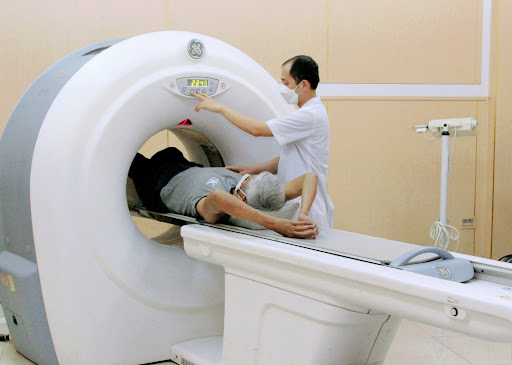
Diagnostic X-ray equipment used in medicine, in addition to meeting general safety requirements for radiation equipment, must also meet specific requirements for equipment used in nuclear medicine. (Photo: VGP).
In this context, Decree No. 332/2025/ND-CP was issued as a comprehensive "technical and legal framework," regulating everything from notification, declaration, and licensing to nuclear inspection, monitoring, and supervision, while also covering key issues such as nuclear incident response and compensation for nuclear damage.
To enhance the effectiveness of the Decree's implementation in practice, the Ministry of Science and Technology has issued a Plan for the Implementation of the Decree (Decision No. 1965/QD-BKHCN) with the goal of organizing the full, timely, and unified implementation of the new regulations throughout the entire sector.
The plan goes beyond mere dissemination and promotion, delving into the refinement of the implementing guidelines, encompassing circulars on radiation safety training, professional skills and expertise for radiation workers, regulations on inspection and auditing, and national technical standards for environmental radiation monitoring. These are crucial links ensuring the effective implementation of the Decree in practice.
In particular, the establishment of a national environmental radiation monitoring and warning network, along with a digital platform and specialized databases, demonstrates a modern management orientation based on data and digital technology – a key element in the context of the accelerated national digital transformation.
Ensuring safety and security
Implementing Decree No. 332/2025/ND-CP is truly necessary to ensure the safety of people and the environment during the development process.
In the medical field, where radiation devices are widely used in diagnosis and treatment, strict control of radiation dose and operating conditions is crucial. In industry, radioactive sources used for non-destructive testing, measurement, etc., can pose risks if not properly managed.
At the macro level, the requirements for ensuring nuclear security, preventing the risk of radioactive material leakage, and enhancing incident response capabilities are also closely linked to Vietnam's international commitments.
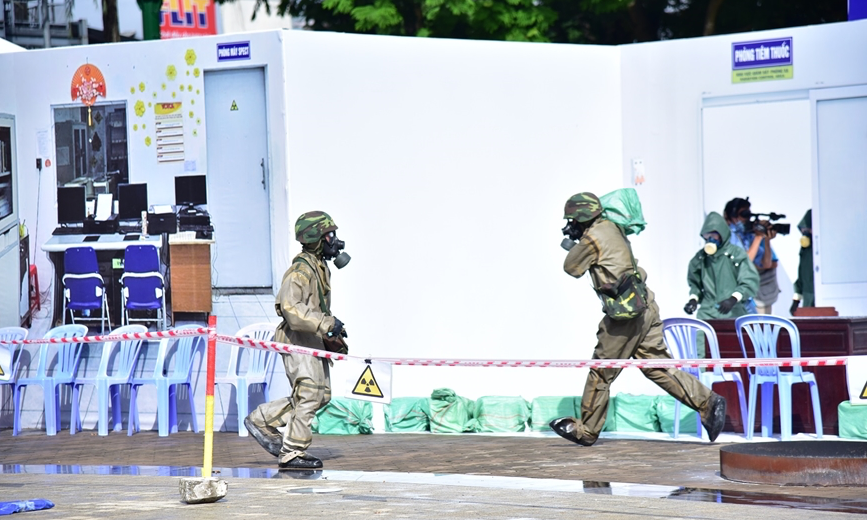
Chemical Corps soldiers of Military Region 9 handle a situation according to their mission during a radiation and nuclear incident response exercise. (Photo: People's Army Newspaper).
One of the objectives of the Implementation Plan is to raise awareness and responsibility among agencies, organizations, and individuals in complying with laws on radiation and nuclear safety. This shows an approach that relies not only on sanctions but also emphasizes the human element, as the direct operator and responsible party throughout the entire chain of activities.
Furthermore, clearly assigning responsibilities, timelines, and specific deliverables to each unit helps overcome overlapping responsibilities and ensures the feasibility and effectiveness of the implementation process.
It can be seen that Decree No. 332/2025/ND-CP not only addresses immediate requirements but also aims to build a long-term, synchronized, and sustainable radiation and nuclear safety management system.
In the context of Vietnam's gradual research, development, and application of atomic energy at a higher level, the serious and effective implementation of the Decree will be a prerequisite for ensuring safety and security, while also building trust among society and the international community.
A robust legal framework, a modern management system, and an enhanced workforce are the "three pillars" for the safe and sustainable development of the atomic energy sector in the new era.
Center for Science and Technology Communication