Technology in the fields benefits farmers.
In implementing Resolution No. 57-NQ/TW of the Politburo on breakthroughs in the development of science, technology, innovation, and national digital transformation, the agricultural sector is focusing on transforming from traditional production to high-tech agriculture and smart agriculture, aiming towards a green, sustainable, and environmentally friendly agricultural system.
In the current context, digital transformation is no longer a trend but has become an essential requirement. For the agricultural sector, this requirement is even more urgent as it faces numerous challenges such as increasingly severe climate change, resource depletion, and pressure to develop towards green growth. Traditional production methods are gradually revealing their limitations, demanding a shift in mindset, using science, technology, and digital transformation as a foundation to improve productivity, quality, and added value of products, while simultaneously protecting the environment.
Notice No. 20-TB/CQTTBCĐ dated March 16, 2026, containing the conclusions of General Secretary To Lam, Head of the Central Steering Committee on Science, Technology, Innovation and Digital Transformation of the nation, emphasized the need to accelerate the application of scientific and technological achievements, innovation and digital transformation into production and business activities, thereby improving the efficiency of the economy.
High-tech agricultural models are attracting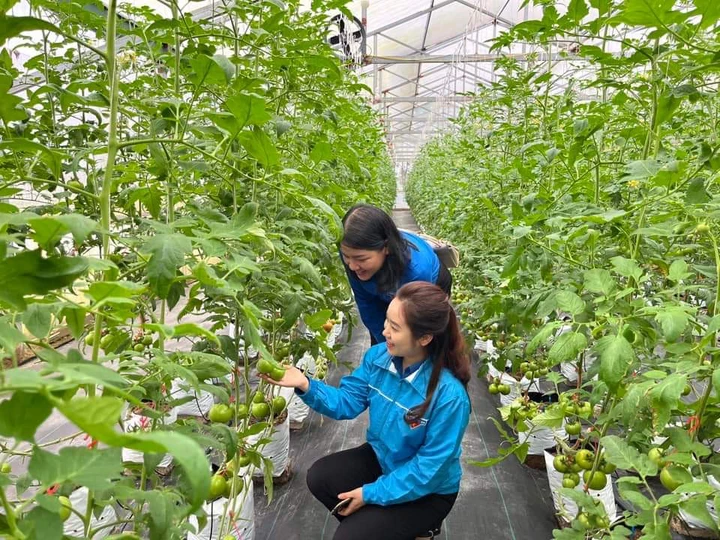 the attention of many people.
Practical experience in many localities shows that the application of technology has brought about clear results, gradually changing agricultural production methods towards a modern, economical, and sustainable direction.
In Nghe An province, since 2019, Mr. Nguyen Van Thanh (Hung Nguyen commune) has invested in a synchronized automatic drip and mist irrigation system, including a pumping station, electrical network, shelter, central filter, and pipelines leading to each tree. According to Mr. Thanh, this system helps maintain stable soil moisture, reduces water waste, and prevents localized waterlogging. In particular, instead of needing 50-70 workers for each manual fertilization, dissolving fertilizer through the irrigation system saves approximately 10 million VND per application. With 7-8 fertilizations per crop cycle, production costs are significantly reduced, while improving the efficiency of nutrient absorption by the plants.
Furthermore, sprinkler irrigation systems help wash away frost, reduce leaf diseases, and help plants adapt better to adverse weather conditions. These are crucial factors in the context of agricultural production increasingly affected by climate change.
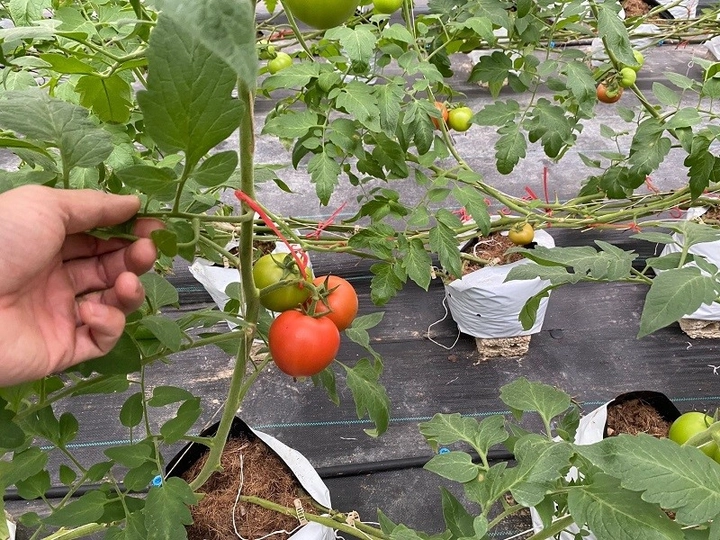
High-tech agricultural models have been making a positive contribution to local economic development.
Similarly, Mr. Nguyen Dinh An invested in a smart drip irrigation system for his family's orange orchard. Thanks to this, irrigation is completely automated; simply opening the valve provides sufficient water to the entire orchard within a few hours, significantly reducing labor and improving management efficiency.
In vegetable-growing areas like Quynh Anh, Vinh Hung, and Dien Chau, sprinkler irrigation systems have proven to be highly effective. According to local residents, the system not only provides the right amount of water, preventing damage to vegetables, but also helps cool the plants, wash away frost, and reduce pests and diseases, thereby significantly reducing the amount of pesticides used in production.
These models show that the application of science and technology and digital transformation is gradually transforming agricultural production from manual to automated methods, from relying on experience to relying on technology and data, contributing to reduced costs, increased productivity, and sustainable development.
In the context of the agricultural sector facing the urgent need for transformation to meet food security goals, adapt to climate change, and integrate internationally, science and technology and digital transformation have become key drivers for improving production efficiency, protecting resources and the environment, and enhancing the quality of life for the people.
Center for Science and Technology Communication