From Internal Productivity to National Competitiveness
In today’s global value chains, productivity is no longer just a matter for individual businesses. When a factory improves operational efficiency, it not only reduces internal costs but also strengthens the competitiveness of the entire industry—and even the economy. As a result, the conversation around productivity has shifted from the enterprise level to the system level.
Business Productivity and the “Bigger Picture” of the Economy
At the micro level, companies can raise productivity by optimizing processes, adopting technology, or eliminating waste. But on a broader scale, productivity is shaped by systemic factors such as workforce quality, production standardization, supply chain integration, and institutional environment.
In Vietnam, improving labor productivity remains a long-term challenge. Despite progress in recent years, the gap between Vietnam and regional economies is still significant, particularly in manufacturing and processing industries. This underscores the need to build a synchronized productivity ecosystem—where businesses grow on a shared foundation of standards, technology, and management.
Standardization as a Key Foundation
One of the most important pillars for system-wide productivity improvement is standardization. When processes are standardized, companies can reduce errors, strengthen quality control, and more easily integrate into global supply chains. International standards such as ISO are increasingly adopted by Vietnamese enterprises, especially in manufacturing and processing. These standards not only enhance product quality but also open doors to deeper participation in international supply chains.
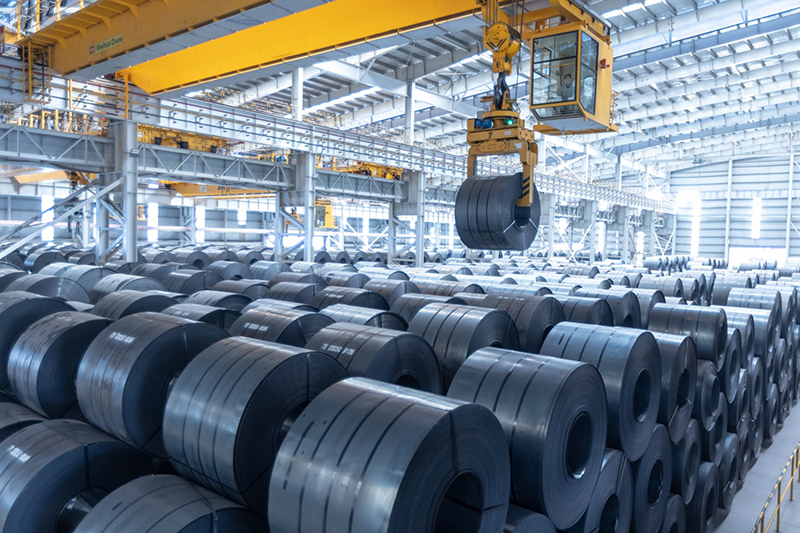
For example, Hoa Phat Group, a leading steel producer, has implemented ISO 9001 quality management across its production processes, alongside ISO 14001 to manage environmental impacts. Compliance with these standards has helped the company improve product quality while minimizing environmental footprint—an increasingly strict requirement in heavy industry.
In aviation, Vietnam Airlines stands out for its adoption of international standards. The carrier has applied ISO 9001 in multiple operational areas, from ground services to technical maintenance. Standardization has enabled the airline to streamline processes, improve service quality, and ensure safety—an essential factor in aviation.
These cases show that ISO standards not only help businesses control internal processes but also give them an edge in global supply chains, where demands for quality, environmental responsibility, and safety are rising sharply.
Digital Transformation and Human Capital
Beyond standards, digital transformation is becoming a crucial driver of productivity at both industry and national levels. When data flows seamlessly across production, logistics, and distribution, companies can coordinate more effectively across the value chain. Real-time information sharing reduces inventory, optimizes transport, and shortens time-to-market—vital in a rapidly changing global supply chain environment.
Yet experts emphasize that while technology and systems play a growing role, people remain the core foundation of productivity. A skilled, well-trained workforce with a mindset for continuous improvement determines how effectively the system operates. As one expert put it: if technology is the “tool,” people are the “operators and value creators.” Investment in skills training, management thinking, and adaptability is therefore inseparable from any productivity strategy.
From Enterprise to Nation: A Shared Journey
When individual businesses improve productivity, the ripple effect spreads across industries. As multiple industries advance together, national productivity rises. This is a cumulative process that cannot be achieved overnight. In an era of deep integration, productivity not only determines production efficiency but also directly shapes Vietnam’s competitiveness in global markets. That’s why productivity must be seen as a long-term strategy—linked to institutional reform, technological development, and workforce quality.
If the first article laid the foundation by shifting the mindset toward “eliminating waste,” and the second opened the era of “data-driven productivity,” this third piece paints the broader picture: productivity is no longer just an internal business matter, but a component of national competitiveness.
Ultimately, productivity is not just a number inside a factory—it is the measure of an economy’s ability to reorganize itself for the future.