Solutions for implementing the transition to using biofuels.
Biofuel (E10) needs to be viewed not only from an environmental perspective, but more broadly as an important part of the national energy security strategy, especially during a period when fuel supplies are affected by conflicts in the Middle East. Furthermore, biofuels create a domestic value chain, from raw materials and ethanol production to blending and distribution. This helps enhance the self-reliance of the economy and supports the goal of transitioning to a greener and more sustainable energy environment.
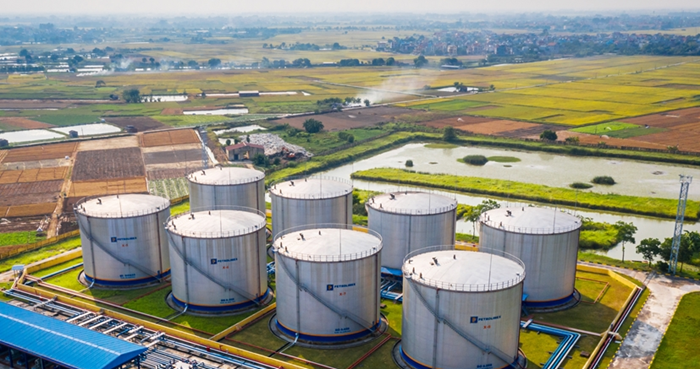
In the context of a volatile global energy market, proactively diversifying supply sources, reducing dependence on fossil fuels, and gradually shifting to cleaner energy sources are essential requirements. E10 bioethanol, with its higher ethanol blending ratio, is expected not only to contribute to emission reduction but also to boost the domestic biofuel production value chain. However, based on the previous implementation of E5 gasoline, experts believe that a comprehensive review and assessment is needed to prepare for the new roadmap, thereby clearly identifying the reasons why the previous E5 implementation did not meet expectations.
According to the Department of Innovation, Green Transformation and Industrial Promotion (Ministry of Industry and Trade), the core factors for ensuring the successful implementation of biofuels in the coming period are: firstly, regularly updating fuel requirements to match engine development. Gasoline engine technology is constantly improving, leading to changes in fuel technical standards over time. For example, from January 1, 2025, new vehicles manufactured and assembled in Vietnam must meet Euro 5 emission standards, therefore the fuel used must also be compatible. Selecting and using the appropriate base gasoline is a key factor in ensuring operational efficiency and compliance with regulations.
Furthermore, it is necessary to strengthen coordinated efforts among ministries, localities, and relevant stakeholders to promptly address obstacles for businesses throughout the entire value chain—from production, blending, circulation, to distribution. Through appropriate mechanisms, policies, and management tools, the goal is to bring biofuel products to consumers at the most reasonable cost. Communication is especially important; it needs to be promoted in a transparent and scientific manner so that people understand correctly, thereby creating social consensus.
Currently, major energy companies such as Petrolimex and PV OIL, which account for up to 75% of the domestic petroleum market share, are ready to widely distribute E10 gasoline in April as directed by the Government. As of April 16th, PV OIL announced that 418 out of 988 gas stations nationwide are distributing Petrolimex E10 gasoline. Petrolimex is currently distributing in Ho Chi Minh City and Quang Ngai, and plans to expand to Quang Ninh and Hai Phong in the coming days, continuing to expand its distribution network.
To expedite the biofuel roadmap, it is necessary to address the difficulties and obstacles that businesses are facing regarding the supply of petroleum products in general, as well as ethanol. In addition, the blending capacity of businesses needs to be strengthened. Currently, 12 businesses have invested in blending systems, but only 3 meet the requirements to be licensed for blending E10 gasoline. Furthermore, some technical regulations regarding biofuels need to be removed to allow businesses to quickly transition from conventional gasoline to biofuels.
https://thiennhienmoitruong.vn