Da Nang Airport opens a separate lane for passengers using VNeID
From April 10, 2026, Da Nang International Airport will implement a separate lane in the domestic departure area for passengers using the VNeID Level 2 application to complete airline procedures, replacing the citizen identification card in the security check process.
According to information from authorities and operators, a dedicated lane is located on the second floor of Terminal 1, where passengers undergo security checks before boarding. Here, passengers do not need to present traditional identification documents but can directly use electronic identification data on the VNeID application to verify their personal information.
The process is designed to simplify operations. Passengers log into the application, present a QR code or electronic identification information, and then security personnel use specialized equipment to compare it with data from the resident system. Using VNeID helps passengers complete procedures faster and more conveniently compared to presenting traditional paper documents.
The arrangement of a separate lane for passengers using VNeID comes amidst a rapid increase in passenger traffic at Da Nang Airport, especially during peak tourist seasons. In reality, at many large airports, document checks are often a bottleneck causing localized congestion. Therefore, the arrangement of a separate lane aims to help manage passenger flow and reduce waiting times at security checkpoints.
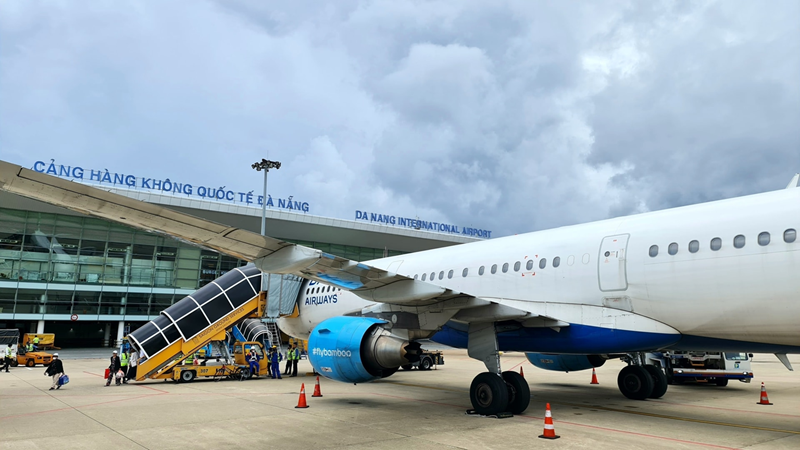
Starting from April 10, 2026, Da Nang International Airport will implement a dedicated walkway in the domestic departure area for passengers using the VNeID Level 2 application.
According to information from Da Nang International Airport, the authentication system is connected to the national population database, allowing for real-time cross-checking of passenger information. This not only serves to streamline procedures but also enhances accuracy and safety, especially in the context of increasingly stringent aviation security requirements.
Notably, the level 2 electronic identification account on VNeID has the same legal validity as a citizen identification card in many administrative transactions. The inclusion of this data in the airline check-in process demonstrates a trend towards expanding the application scope of electronic identification, from public administration to essential services such as transportation and tourism.
Along with arranging separate access routes, airport authorities also organized guidance for passengers on using the application, assisted in activating electronic identification accounts, and perfected the process of checking and verifying information to ensure smooth operation. Relevant units have deployed personnel to guide and assist passengers in using the application at the airport.
From a digital transformation perspective, integrating VNeID into the airport security check process is seen as a concrete step in the roadmap to building a smart airport. Beyond simply replacing paper documents, this model opens up the possibility of integrating many other services on a single digital platform, from online ticket booking and check-in to journey tracking.
However, during the initial phase of implementation, relevant authorities still recommend that passengers carry identification documents such as national ID cards or passports for use when necessary, especially in case of system technical problems or the need for additional verification.
The implementation of a dedicated lane for passengers using VNeID at Da Nang Airport is expected to provide more practical data for management agencies to evaluate its effectiveness, thereby refining the process and expanding its application to other airports.
In the context of the government's strong push for national digital transformation, the deployment of VNeID in aviation procedures is part of the process of applying digital technology to transportation operations.