Personalized mRNA Vaccines Offer New Hope in the Fight Against Pancreatic Cancer
Pancreatic cancer has long been considered one of the deadliest forms of cancer in modern medicine. Known for its aggressive progression, late diagnosis, and high recurrence rate even after surgery, it remains one of the most difficult cancers to treat effectively. Against this daunting backdrop, a new international study on personalized mRNA vaccines is generating cautious but significant optimism among scientists and clinicians worldwide. According to Israeli researchers and global oncology experts, this emerging approach may represent a transformative step forward in treating pancreatic cancer by harnessing the body’s own immune system in highly individualized ways.
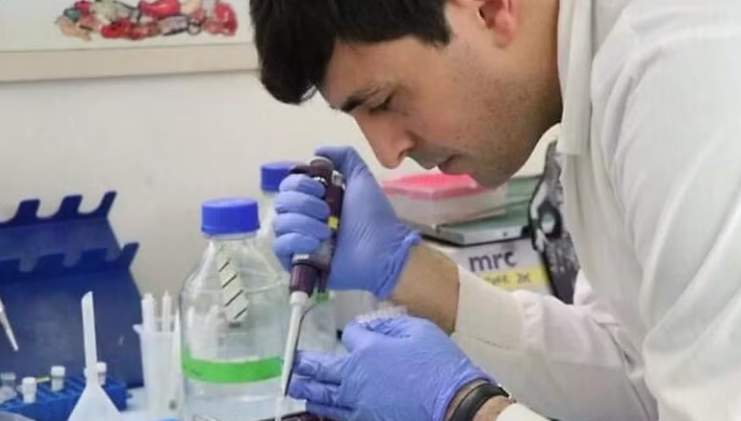
The excitement stems from six-year follow-up data from an early-stage clinical trial conducted by Memorial Sloan Kettering Cancer Center in the United States. In this study, seven out of eight pancreatic cancer patients who developed a strong immune response after receiving a personalized mRNA vaccine were still alive six years later. This survival rate is particularly striking given the historically poor prognosis associated with pancreatic cancer, where long-term survival remains rare. Although the trial involved only a small number of participants, the results have been widely described as highly encouraging and scientifically meaningful.
What makes this vaccine approach unique is its personalized design. Unlike conventional vaccines that target common pathogens, personalized mRNA cancer vaccines are created specifically for each individual patient based on the genetic characteristics of their tumor. Scientists analyze tumor mutations after surgery, identify unique neoantigens—molecular markers specific to that patient’s cancer cells—and then design an mRNA vaccine that teaches the immune system to recognize and attack those cells. This means treatment is no longer generic but precisely tailored, marking a major evolution in precision oncology.
Israeli experts, including leading oncologists at institutions such as Rambam Health Care Campus, have described this as a breakthrough especially because it addresses one of pancreatic cancer’s greatest challenges: recurrence after surgery. Even when tumors are surgically removed, microscopic cancer cells can remain hidden in the body and later trigger relapse. Personalized mRNA vaccines aim to eliminate these residual cells by training the immune system to act as an ongoing surveillance mechanism, potentially reducing recurrence risk and extending survival.
This strategy aligns closely with the broader rise of personalized medicine, where treatment is increasingly shaped by individual biology rather than broad population averages. Israel, with its advanced biotechnology ecosystem and strong innovation infrastructure, is seen as particularly well positioned to contribute to this field. The country’s expertise in genomics, immunology, and biotech entrepreneurship could help accelerate both clinical application and future research.
Major pharmaceutical companies such as BioNTech and Genentech are already advancing this promising concept into larger-scale testing. A phase 2 clinical trial involving approximately 260 patients is currently underway to compare personalized mRNA vaccines with standard treatment protocols. These larger studies are critical because early success, while promising, must still be validated across broader and more diverse patient populations before becoming standard medical practice.
In parallel, researchers are also working on “universal” mRNA vaccine strategies targeting KRAS, a mutated protein found in roughly 90% of pancreatic cancer cases. If successful, such vaccines could expand treatment beyond individualized models and potentially offer broader therapeutic tools for many patients with this devastating disease.
Despite the optimism, experts remain careful not to overstate current findings. Pancreatic cancer is biologically complex, and immune responses vary significantly between patients. Larger trials will be essential not only to confirm effectiveness but also to determine which patients are most likely to benefit. Questions remain about durability, accessibility, production timelines, and cost—especially since personalized vaccine manufacturing requires rapid genetic analysis and custom development.
Still, the broader implications are profound. The success of mRNA technology during the COVID-19 pandemic demonstrated how quickly this platform can be adapted, manufactured, and scaled. Oncology may now represent the next frontier. If personalized mRNA vaccines continue to show strong outcomes, they could fundamentally reshape cancer treatment by moving medicine from generalized chemotherapy models toward highly targeted immune-based interventions.
For pancreatic cancer patients—many of whom currently face limited options—this research offers something often in short supply: credible hope. It suggests a future in which treatment is not solely about removing tumors or slowing progression, but about empowering the immune system to recognize and suppress cancer with unprecedented specificity.
Ultimately, while personalized mRNA vaccines are still in the experimental stage, their progress signals a potentially historic shift in cancer medicine. For one of the world’s most lethal cancers, even incremental advances can save lives. If future trials confirm these early results, personalized mRNA vaccines may become one of the most important innovations in pancreatic cancer treatment—and perhaps a blueprint for tackling many other forms of cancer in the years ahead.