Elevating the “Alluvial Flavor”: How Cà Mau Is Transforming Ecological Rice into a Global Agricultural Brand
Cà Mau, long recognized for its challenging saline-affected landscapes and climate vulnerability, is increasingly redefining itself as a strategic center for high-quality, ecological rice production. While fertile fields and standardized farming practices form the essential foundation, local leaders now recognize that sustainable competitiveness requires far more than agricultural output alone. Through the integration of advanced technology, ecological farming systems, and comprehensive branding strategies, Cà Mau is positioning its distinctive “alluvial flavor” as both an economic asset and an internationally competitive agricultural identity.
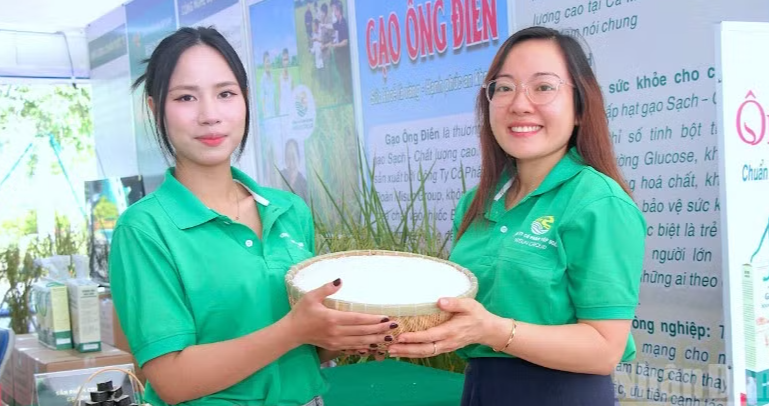
At the core of this transformation lies Cà Mau’s unique ecological advantage. The province currently maintains approximately 180,000 hectares of rice cultivation, including around 94,000 hectares under the rice-shrimp model—a system widely regarded by experts as environmentally friendly, climate-resilient, and economically efficient. This integrated model leverages the province’s natural conditions of soil, water, and salinity to create a production ecosystem that minimizes chemical inputs while maximizing both biodiversity and profitability.
The rice-shrimp system has demonstrated particularly strong results in organic and low-emission farming. Farmers participating in linked production chains with cooperatives and enterprises report significantly improved outcomes, including premium purchase prices, diversified income from shrimp and aquatic species, and greater ecological stability. In some cases, organic rice prices have nearly doubled compared to conventional market prices, creating not only higher incomes but also stronger confidence in sustainable agriculture.
This shift represents more than a production upgrade—it reflects a structural transformation in agricultural philosophy. Traditional practices heavily dependent on chemical fertilizers and pesticides are increasingly being replaced by standards such as “3 Reductions, 3 Gains,” “1 Must, 5 Reductions,” Integrated Pest and Health Management (IPHM), and expanded organic fertilization. As a result, large portions of cultivated land are meeting demanding certifications such as VietGAP, GlobalGAP, USDA Organic, EU Organic, and JAS standards.
However, production quality alone does not secure international market success. Cà Mau’s strategy increasingly emphasizes value-chain integration and brand development. Through partnerships among government agencies, cooperatives, and private enterprises, the province is building stable supply chains, guaranteed purchasing agreements, and stronger export pathways. Certified low-emission and ecological rice products are drawing growing interest from both domestic and international buyers seeking sustainable food sources.
A major milestone in this branding journey is the organization of regional events such as the Mekong Delta Rice Competition and broader science-technology-cultural showcases. These initiatives are not merely promotional events—they function as strategic platforms to connect producers, investors, distributors, and consumers while reinforcing traceability, product storytelling, and regional identity. By emphasizing “Hội tụ hương vị phù sa” (“Convergence of Alluvial Flavor”), Cà Mau is linking agricultural products to place-based authenticity and ecological value.
The province’s long-term goals are equally ambitious. Under its 2026–2030 agricultural development strategy, Cà Mau aims for 70% of rice production to serve interprovincial and export markets, while expanding low-emission, high-quality rice cultivation to approximately 55,000 hectares. Profitability for rice farmers is projected to rise by over 30%, supported by deeper technological application and stronger market integration.
Brand names such as Từ Tâm, Toàn Tâm, and Ông Muộn illustrate the emergence of localized rice identities, while the certified label “Lúa sinh thái Cà Mau” serves as a broader trust mark for ecological production. These efforts align closely with global consumer trends increasingly favoring food products that are clean, safe, traceable, and environmentally sustainable.