Interagency Mechanism Needed to Boost Product Traceability in the Digital Era
Transparency and traceability are no longer optional—they are mandatory requirements in global trade. Yet Vietnam’s fragmented systems highlight the urgent need for a unified, nationwide coordination mechanism.
Colonel Phạm Minh Tiến, Deputy Director of the National Data Center, warned that counterfeit goods have infiltrated multiple sectors, from supermarkets to healthcare facilities, creating major management challenges and eroding consumer trust. He emphasized that authenticity, transparency, and traceability are not only essential for state governance but also critical to strengthening domestic market confidence and meeting international integration demands.
Echoing this, Bùi Bá Chính, Director of the National Barcode Center under the Ministry of Science and Technology, noted that counterfeit goods fall into three categories: brand fakes, quality fakes, and origin fakes. Recent cases—fake medicines in Ho Chi Minh City, fake milk in Hanoi, counterfeit electronics and cosmetics in several provinces—have severely impacted businesses and tarnished the reputation of Vietnamese products.
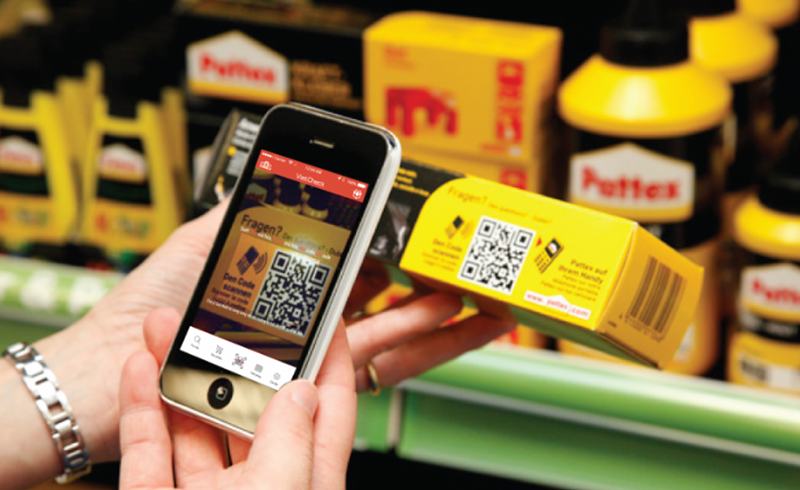
Traceability as a Competitive Edge
In today’s global economy, transparent product information and origin control are key indicators of national competitiveness. For Vietnam, traceability is not just about regulatory compliance—it is the “ticket” to deeper participation in global supply chains.
Vietnam has made progress: legal frameworks have been updated, and digital traceability systems are being deployed. Key policies include Decision 100/QĐ-TTg on traceability, the 2025 amendment to the Product Quality Law, and Decree 37/2026/NĐ-CP. Ministries have also built sector-specific systems to meet export market standards.
However, challenges remain. Current systems are siloed, with different sectors operating independently, leading to inconsistent data standards, fragmented operations, and poor connectivity. This undermines the effectiveness of traceability across the entire value chain.
Fragmentation Across Sectors
- Agriculture: Traceability focuses on farming zones and packaging facilities to meet import requirements.
- Industry & Trade: Systems emphasize product circulation and e-commerce.
- Healthcare: Traceability applies to pharmaceuticals and supplements under separate regulations.
Because these systems lack integration, data gaps persist. Exporters often face overlapping requirements from domestic regulators and foreign partners, with no mutual recognition of data—raising costs and compliance times. In cases of origin fraud or trade defense circumvention, fragmented systems hinder verification of raw material sources and production processes. Food safety incidents also suffer from delayed responses due to disconnected data.
Lessons from Global Practice
International experience shows that effective traceability requires a unified interagency mechanism. Such frameworks standardize data, synchronize infrastructure, and ensure connectivity across domestic systems and with international platforms.
Experts argue Vietnam should establish a national interagency steering committee on traceability. This body would coordinate, direct, and unify implementation across the economy, replacing today’s fragmented sectoral approach. It should include key ministries—agriculture, industry and trade, finance, science and technology, health—and enforce coordination from central to local levels.
Standardized data, unified processes, and modern digital infrastructure would form the backbone of a transparent, interoperable traceability system. This would strengthen state management, combat origin fraud, support exporters, and rebuild consumer trust.
Strategic Imperative for Vietnam
In the age of digital transformation and deep global integration, traceability is no longer optional—it is inevitable. A transparent, interoperable system with international connectivity will be the key for Vietnamese goods to elevate their position, win over demanding markets, and achieve sustainable growth.
https://vietq.vn (tnttrang)