SMEs Need a “Dual Lever” to Boost Productivity
Vietnam’s small and medium-sized enterprises (SMEs) are under mounting pressure: rising input costs, limited access to capital, and intensifying competition. In this context, digital transformation and targeted policy support are emerging as two critical drivers to help SMEs raise productivity, strengthen resilience, and expand growth potential.
Digital Transformation: Unlocking New Productivity Gains
SMEs account for about 98% of all active businesses, contribute more than half of GDP, and generate the majority of jobs. Yet they face barriers in capital, technology, and workforce quality, which limit labor productivity and adaptability. Digital transformation is increasingly seen as a solution to break these bottlenecks—helping small firms offset scale disadvantages, optimize costs, and maximize resource efficiency.
In Khánh Hòa, digital adoption is being linked not only to technology deployment but also to digital workforce development, enabling SMEs to upgrade management capacity and adapt to new business models. This approach highlights that digital transformation is not just about software or devices—it is about restructuring operations to improve productivity.
Evidence shows that when SMEs digitize processes such as management, sales, customer relations, and production, costs are reduced, processing times shortened, and labor efficiency improved. This is the core value of digital transformation for SMEs.
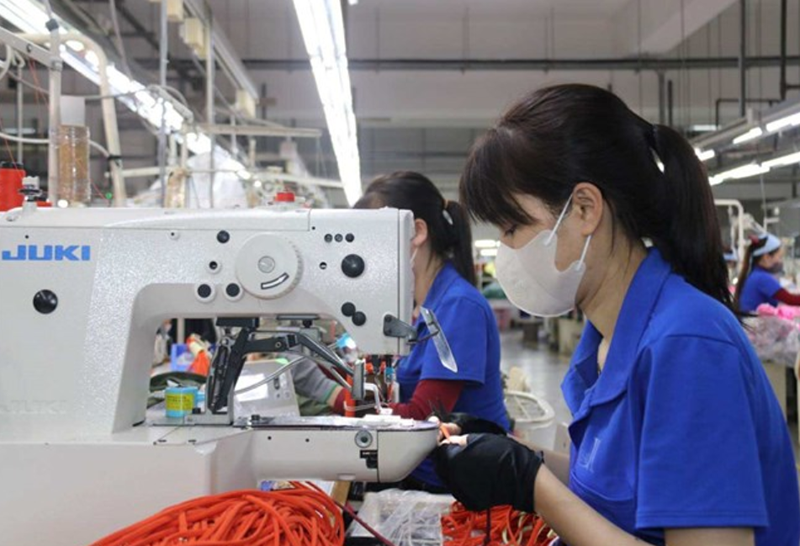
In Thanh Hóa, policy support for digital adoption is becoming more concrete. In 2023 alone, the province allocated nearly 2.5 billion VND to fund consulting and technology application for SMEs. This signals a shift from broad encouragement to focused support, giving small firms the means to modernize operations. More importantly, digital transformation is now recognized not just as a trend but as a direct tool to raise productivity, improve growth quality, and enhance competitiveness.
Policy Support: Turning Potential into Real Gains
If digital transformation is the internal driver, then practical policy support is the external push SMEs need to break through. However, many support programs have struggled to deliver impact due to limited absorption capacity among SMEs.
In Thanh Hóa, for example, many micro and small enterprises still find it difficult to access credit, land, or development incentives because eligibility conditions and procedures are not aligned with their capabilities. In other words, policies exist, but not all businesses can benefit.
This is why “substantive support” is being emphasized. Instead of spreading resources thin, support should target bottlenecks that directly affect productivity—such as management capacity, technology adoption, workforce quality, and integration into value chains.
When support shifts from short-term relief to long-term capacity building, SMEs not only overcome immediate challenges but also strengthen their ability to adapt and grow sustainably. Experience shows that effectiveness lies not in the number of policies but in their relevance and ability to translate into real productivity gains.
The Logic of the “Dual Lever”
Boosting SME productivity cannot rely on a single solution. Digital transformation only works when paired with skilled human resources and a supportive policy environment. Conversely, policy support only matters when it enhances internal capacity.
This is the logic of the “dual lever” for SMEs:
- Digital transformation as the endogenous driver.
- Substantive policy support as the exogenous push.
In an economy shifting toward productivity, innovation, and technology-driven growth, SMEs are not just beneficiaries of support—they can become engines of growth if empowered correctly.
Experiences from Khánh Hòa and Thanh Hóa show that when SMEs receive tailored support and capacity-building rather than short-term aid, they can expand productivity potential, strengthen competitiveness, and contribute more significantly to economic growth.
https://vietq.vn (tnttrang)