Green Transition – The Inevitable Path for Businesses in the New Context
With next-generation free trade agreements (FTAs) tightening environmental standards, green production is no longer symbolic—it has become a mandatory “passport”. Companies slow to adapt risk losing market share or even being excluded from global supply chains.
From Policy to Binding Commitments
In modern FTAs, environmental protection and emission reduction are not just recommendations but binding commitments. Products and brands are now judged not only on quality but also on compliance with environmental, social, and labor responsibility standards. This reality forces businesses to rethink: production must align with sustainability, not just profit.
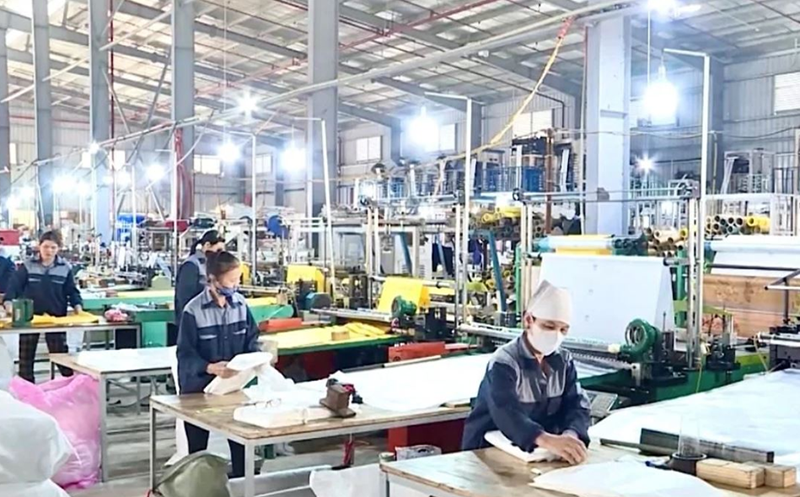
Case Studies: Vietnamese Enterprises Leading the Shift
- HHP Global JSC: Built its growth strategy on ESG principles, prioritizing environmental responsibility. The company invested in a wastewater treatment system with a capacity of 3,500 m³/day, using advanced Fenton and sedimentation technology to meet national standards. It also developed a LEED-certified green paper plant and deployed the 3S iFactory smart manufacturing model, aiming for Net Zero emissions by 2035.
- Hai Ha Packaging JSC: Responding to pressure in the plastics sector, the company upgraded technology to produce biodegradable packaging. By using agricultural by-products combined with bio-materials like corn, cassava, and potatoes, its products can degrade by over 90% within 18 months without harming the environment.
- An Phat Holdings: Mastered bioplastic technology under the AnEco brand. Products such as bags, cutlery, gloves, and more meet strict international certifications and are exported to over 20 countries. Fully biodegradable into humus, CO₂, and water, these products directly reduce plastic waste and support the circular economy.
- Hai Phong Paint JSC: Transitioned to eco-friendly industrial coatings. Maintaining ISO 14001 environmental management, the company is phasing out harmful chemicals and developing new products such as high-solid paints, water-based coatings, and next-gen silicon antifouling paints to minimize environmental impact.
Green Innovation at the Workforce Level
Green transition is not limited to corporate strategy—it is spreading to workers. At HHP Global, employees are encouraged to propose energy-saving and eco-friendly initiatives. One notable example: Nguyễn Thị Nữ, a team leader at the paper plant, devised a solution to reduce electricity consumption, saving an estimated 2.28 billion VND annually.
At Nissei Technology Vietnam, workers contributed innovations to cut CO₂ emissions, earning recognition at the 2025 Hai Phong Technical Innovation Contest. These examples highlight the growing role of employees in driving sustainability.
The Bigger Picture: Green as Survival
Local labor unions are reinforcing this shift, urging workers to embrace digital transformation, automation, energy efficiency, and environmental protection under the slogan “Be a 4.0 Worker.” As union leader Nguyễn Anh Tuân emphasized, every improvement starts with simple questions: How can we be faster, more efficient, more economical, and safer? Small innovations, when scaled, become powerful drivers of sustainable value.
Conclusion
In today’s integration race, green transition is no longer a trend—it is a survival condition. Businesses that fail to adapt risk losing competitiveness and being excluded from global trade. Those that embrace sustainability early will gain market access, attract investment, and secure long-term growth in an increasingly demanding global economy.
https://vietq.vn (tnttrang)