Drones in Agriculture: Great Benefits, Significant Challenges
Amid the strong digital transformation in agriculture, unmanned aerial vehicles (drones) are increasingly applied in production, particularly in pesticide spraying.
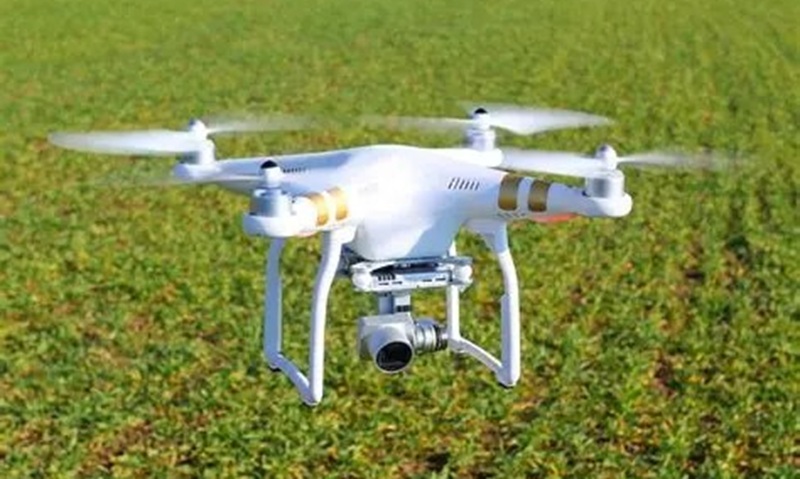
Clear Effectiveness from Drone Applications
Drone technology has helped address labor shortages, reduce costs, increase productivity, and improve farming efficiency. However, alongside rapid development, urgent requirements have emerged for completing the legal framework, technical training, and ensuring safety during operation.
Experts note that drone applications in agriculture are delivering clear results. Numerous practical studies show that spraying with drones can reduce water usage by up to 70% and save about 50% of pesticides, while maintaining, or even exceeding, the effectiveness of manual methods. The spraying speed is tens of times faster, helping reduce labor pressure and limiting farmers’ direct exposure to toxic chemicals.
Beyond spraying, drones are also used for fertilization, sowing, and field monitoring, contributing to higher productivity and production efficiency. In many localities, drone service teams have formed to handle large-scale pest and disease outbreaks in a short time, significantly reducing production costs for farmers.
However, alongside these benefits, using drones in agriculture presents various management and technical challenges. Representatives from specialized agencies noted that, from the early stages, the agriculture sector established testing standards and pesticide registration procedures for drone use to ensure effectiveness and safety.
Ms. Bùi Thanh Hương, Head of the Pesticide Management Department (Department of Crop Production and Plant Protection), stated that the Government’s issuance of Decree 288/2025/ND-CP on drone management has created an important legal foundation for this activity. Accordingly, drones must be legally registered, have identification codes; operators must hold certificates and permits, and comply with regulations on flight zones and times.
Experts emphasize that compliance with legal regulations is a prerequisite for flight safety, avoiding risks to communities and the environment. At the same time, national standards and practical, easily applicable technical guidelines should continue to be developed to help farmers access the technology systematically.

Optimizing Techniques, Ensuring the “4 Rights” Principle
Mr. Phạm Văn Hướng, representative of the Ninh Bình Drone Club, noted that one of the current major barriers is the limited awareness and skills of users. Many farmers have not received proper training, leading to the risk of incorrect operation, affecting spraying effectiveness and environmental safety.
Mr. Huỳnh Văn Nghi, representative of the Drone Working Group, CropLife Vietnam, stated that the organization is collaborating with authorities and businesses to implement numerous training programs and on-site workshops, while also developing online instructional materials and videos for easy access by farmers.
The formation of drone teams and clubs is also considered an effective solution, helping share experience, standardize operating procedures, and improve user skills. This also serves as a foundation for developing smart agricultural service ecosystems locally.
Ms. Bùi Thanh Hương emphasized that to use drones effectively, operators must understand technical parameters such as flight height, speed, spray volume, and weather conditions. For rice crops, the suitable flight height is usually 1.8–2 meters above the crop canopy; monitoring wind speed and temperature is crucial to minimize pesticide loss and ensure uniform coverage.
Particularly, pesticide use must strictly follow the “4 Rights” principle: the right pesticide, the right dosage, the right timing, and the right method. Whether using traditional spraying methods or drones, this principle remains critical to ensure pest control effectiveness and environmental protection.
Experts also recommend prioritizing pesticides registered for drone use, with good solubility to avoid clogging or reduced spraying efficiency.
In practice, developing drone service teams not only improves production efficiency but also opens new employment opportunities in rural areas. A single team with a few drones can provide jobs for many workers and generate stable income.
However, for sustainable development, teams need to focus on proper training, adherence to technical and legal procedures, and proactive maintenance and spare parts management to prevent interruptions during the crop season.
In addition to economic benefits, environmental and community safety is particularly emphasized. Operators must never fly drones near residential areas, roads, or crowded locations without ensuring safety.
After spraying, proper cleaning of equipment and collection of pesticide packaging must be conducted according to regulations, avoiding direct discharge into water sources to protect ecosystems.
Drones are an important tool in modernizing agriculture. However, to maximize their effectiveness, close coordination among regulatory agencies, businesses, and farmers is required to improve policies, provide technical training, and raise awareness.
Ms. Bùi Thanh Hương noted that in the near future, the Department of Crop Production and Plant Protection will continue to work with relevant stakeholders to strengthen training, improve legal regulations and technical guidance, helping farmers use drones safely and effectively, contributing to the development of modern, green, and sustainable agriculture.