High-Tech Cheating in Graduation Exams: Criminal Liability Possible
Colonel Nguyễn Anh Tuấn warned that cheating in exams using high-tech devices and artificial intelligence is on the rise, with increasingly sophisticated methods; students who violate regulations not only face disciplinary measures but may also face criminal liability if they leak exam questions.
The national graduation exam is held nationwide on a particularly large scale, with nearly 2,500 exam locations, around 1 million candidates, over 120,000 staff and teachers, and the involvement of multiple forces. The police alone mobilize about 15,000 officers and soldiers throughout all stages, from preparation to the exam itself.
Various Cheating Tactics, Using AI to Solve Problems
According to Colonel Nguyễn Anh Tuấn – Deputy Director of the Department of Internal Political Security (Ministry of Public Security), the police are present at all critical stages such as securing the exam questions, printing, transporting, storing exam papers, supervising exams, and grading. The large scale, multiple steps, and numerous participants create significant challenges in ensuring security, safety, and preventing misconduct and cheating.
Notably, the risk of cheating using high-tech devices continues to be complex. Devices are increasingly sophisticated and hard to detect, such as ultra-small magnetic earbuds, cameras disguised in buttons, glasses frames, watches, or even hidden inside calculators. Many devices can automatically connect and transmit or receive information within seconds over high-speed mobile networks.
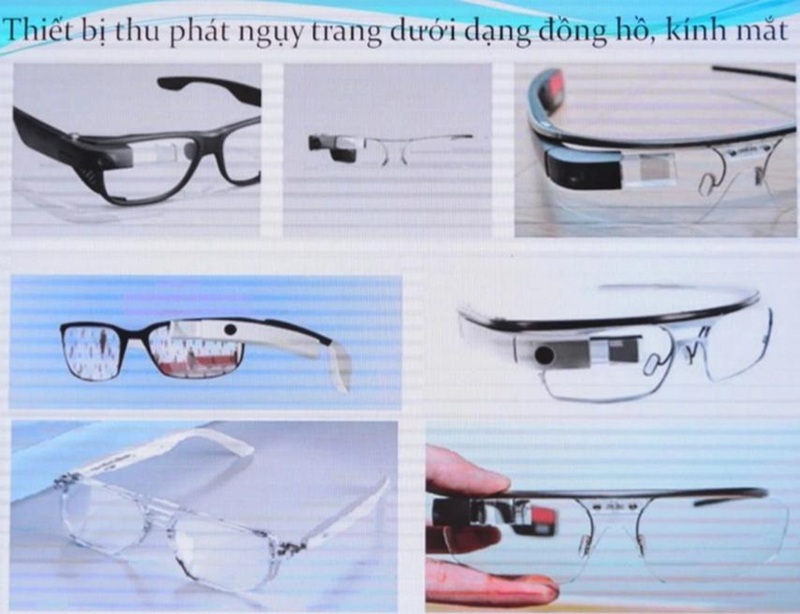
Alongside this, the use of artificial intelligence tools like ChatGPT makes cheating easier to carry out. Students only need to photograph the exam questions and upload them to an application, which can automatically solve and provide answers in a very short time, making detection and handling difficult—especially when these platforms host servers abroad.
In the 2025 exams, there were cases of students photographing exam papers and sending them to AI applications for solutions. The police quickly verified and resolved these cases, including instances prosecuted for revealing state secrets. Colonel Nguyễn Anh Tuấn emphasized that while the police do not wish to pursue criminal cases against students, for clear legal violations, enforcement is necessary to ensure deterrence and maintain the exam’s fairness and integrity. “If violations are not strictly handled, the exam will lose its meaning,” he noted.
In addition, the sale of cheating devices continues openly on social media platforms such as Facebook, YouTube, and Telegram, making them easily accessible to students. There is also the possibility of assistance from outsiders, such as friends or family, which complicates detection and handling. Authorities have also dealt with many cases of false information about leaked exam papers designed to attract views, causing public confusion and affecting the exams.
Given these risks, the Ministry of Public Security has directed its units and local authorities to coordinate closely with the education sector to implement comprehensive measures ensuring absolute security and safety for the exams. Colonel Nguyễn Anh Tuấn affirmed that all cheating behaviors, especially using high-tech devices or artificial intelligence, not only violate regulations but may also result in criminal prosecution. Students need to fully understand the legal risks and not jeopardize their future for acts of cheating.
https://baochinhphu.vn/gian-lan-cong-nghe-cao-trong-ky-thi-tot-nghiep-co-the-bi-xu-ly-hinh-su-102260410153145896.htm