Xiaomi to Raise Monitor Prices Amid Rising Chip and Memory Costs
Xiaomi is preparing to increase prices on its mid-range and premium monitors as component costs surge, particularly for controller chips and memory modules. Analysts warn the move could also impact smartphone pricing and squeeze profit margins further.
Rising Component Costs
According to ChannelGate and Vision Hall, the cost of key components rose by 14–21 RMB ($2–$3.20) per monitor in Q2 2026, with another 21 RMB increase expected in Q3. While seemingly minor, these hikes significantly affect profitability in the fiercely competitive hardware market.
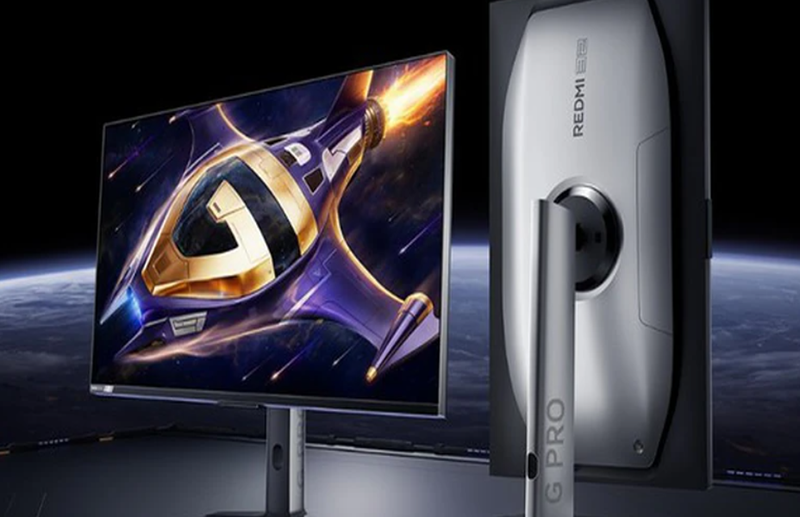
Xiaomi plans a phased price adjustment strategy, gradually raising prices across its product lineup. The company’s most expensive monitor, the REDMI G Pro 32U 2026, currently retails at 3,199 RMB (~12.3 million VND).
Smartphones Also Affected
Memory price hikes have already impacted Xiaomi’s smartphones, with recent increases of 200 RMB (~768,000 VND). Global DRAM and NAND flash prices have nearly quadrupled in the past year, driven by soaring demand from AI applications and data centers, alongside limited production capacity.
As a result, Xiaomi’s gross profit margin fell from 12% to 8.3% in 2025, reflecting rising material costs. Competitors including OPPO, vivo, and Honor face similar pressures, forcing them to rethink pricing strategies.
Industry Outlook
Experts predict chip and memory costs will remain a challenge throughout 2026. Xiaomi is expected to continue gradual price hikes across product categories, signaling a potential shift away from its long-standing commitment to delivering high-end technology at affordable prices.
Vietnam Market Snapshot
In Vietnam, Xiaomi’s best-selling monitors include:
- Xiaomi Gaming Monitor G24i ELA5625EU – 2.5 million VND
- Xiaomi Monitor A27i EU ELA5345EU – 2.3 million VND
- Xiaomi 4K Monitor A27UI 27-inch – under 6 million VND (factory-calibrated)
With rising chip and memory costs reshaping the global supply chain, Xiaomi’s incremental price hikes may be unavoidable. For consumers, this means higher costs on both monitors and smartphones, while for Xiaomi, it’s a balancing act between profitability and maintaining its reputation for accessible innovation.