Viettel Global at 20: Vietnam’s Bold Blueprint for Global Expansion
Over the past two decades, Viettel Global has transformed from a domestic telecommunications ambition into one of Vietnam’s most compelling international business success stories. Its journey represents more than corporate expansion; it reflects a strategic model of how Vietnamese enterprises can project economic strength globally while simultaneously advancing national prestige. With record-breaking financial performance in 2025 and a footprint across challenging international markets, Viettel Global demonstrates that Vietnam is no longer merely integrating into globalization—it is actively shaping it.
The company’s latest performance figures reveal the scale of this achievement. Consolidated revenue reached more than 44 trillion VND in 2025, its highest ever, while after-tax profit surged dramatically, placing Viettel Global among the top profit-generating listed companies in Vietnam. These numbers are not simply indicators of commercial efficiency; they validate a long-term internationalization strategy that many once considered too risky, particularly because Viettel deliberately entered politically unstable, infrastructure-poor, or highly competitive markets that global telecom giants often avoided.
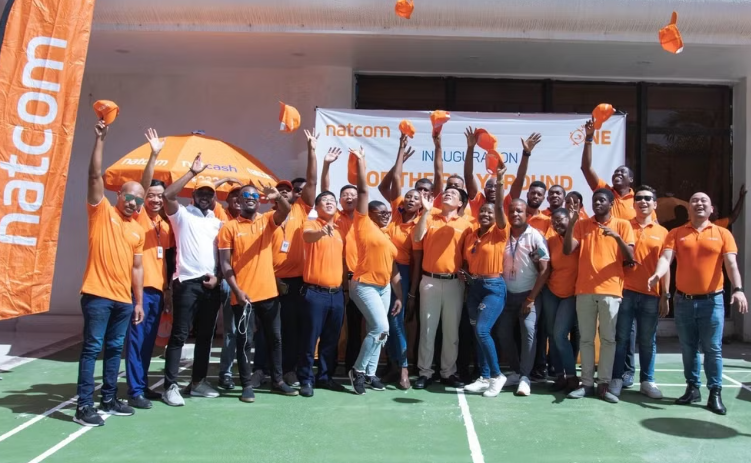
What distinguishes Viettel Global is its willingness to treat adversity as strategic opportunity. In Cambodia, entering as the eighth telecom operator in a crowded market seemed improbable, yet Metfone rose to national leadership by prioritizing network coverage and accessibility, especially in underserved regions. In Haiti, the company maintained its commitment despite catastrophic earthquake conditions, helping rebuild essential telecommunications infrastructure. In Burundi, Viettel’s persistence during political instability enabled Lumitel to become a dominant market force. These examples illustrate a core institutional philosophy: expansion is not based solely on market extraction, but on infrastructure-building, resilience, and localized trust.
This approach has broader geopolitical and economic implications. Viettel Global serves as a soft-power instrument, showing how Vietnamese firms can export not only services, but also development capacity. By bringing connectivity to emerging economies, the company positions Vietnam as a credible contributor to technological modernization in the Global South.
Equally important is Viettel’s organizational identity. Its leadership consistently frames its achievements through discipline, mission orientation, and long-term national responsibility. This reflects a hybrid model combining commercial logic with strategic state-linked ambition—a rare competitive advantage in frontier markets.
Looking forward, Viettel Global’s shift beyond telecommunications into digital technology, logistics, e-commerce, and dual-use high-tech industries signals a broader transformation from telecom operator to multinational innovation ecosystem. If sustained, this evolution could redefine how Vietnamese corporations compete internationally.
Ultimately, Viettel Global’s first 20 years offer a powerful lesson: global competitiveness does not require starting from the safest markets. Sometimes, the most transformative path begins where others hesitate to go.