Besides food, what does El Niño have to do with shorts, jackets, ovens...?
Scientists at NOAA have confirmed that the El Niño climate phenomenon has officially appeared for the first time in over four years.
The phenomenon generally has a wide-ranging impact on weather conditions for 9-12 months. But those aren't the only expected effects: Combined with climate change, this year's El Niño could slow U.S. economic growth, potentially affecting everything from food prices to winter clothing sales.
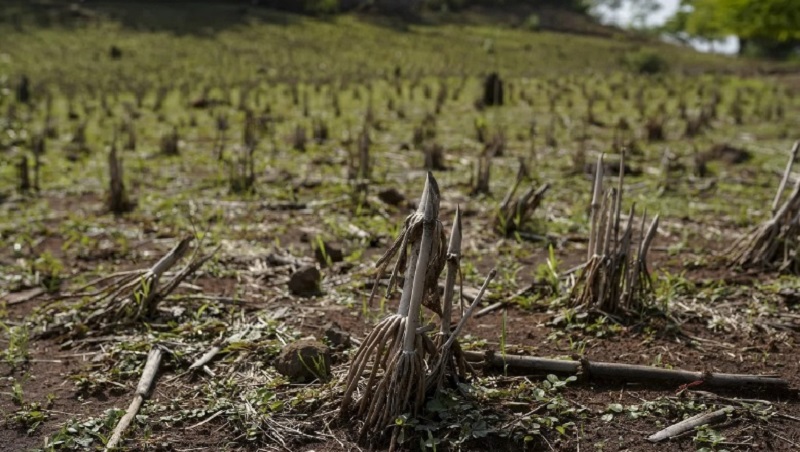
El Nino has had a negative impact on many sectors in the United States.
Dr. Christopher Callahan stated, “There are significant negative consequences for economic growth when extreme weather occurs. The Dartmouth candidate and lead author of a study in the journal Science argues that the 1997-1998 El Niño event caused $5.7 trillion in damage to global income, compared to $4.1 trillion for the 1982-1983 event.”
The research also shows that countries can feel the negative impacts of these climate patterns for years after they end.
The food, tourism, and retail sectors could be affected.
Callahan said that extreme weather combined with El Niño causes floods, wildfires, storms, and other natural disasters.
This could impact the prices of everyday foods Americans eat: Sugar and cocoa prices are likely to trade at multi-year highs due to potential shortages, and robusta coffee and chocolate prices are predicted to continue rising.
Simeon Siegel, an analyst at BMO Capital Markets, said unexpected weather changes could negatively impact the retail sector. He stated, “While no retailer wants to blame the weather as it’s seen as an excuse, weather is extremely important to most retail stores, especially for clothing and seasonal goods.”
“Retailers or brands not only have to anticipate what consumers will want, but they also need to anticipate what nature will impact them. Obviously, for companies selling jackets, grills, outdoor furniture, sweaters, or shorts, the weather can be the difference between whether or not someone needs to buy that jacket,” he added.
The tourism and travel sector can also feel the impact of El Niño. A 2021 study in the Journal of Atmospheric Science analyzed visits to 48 natural attractions in the U.S. to examine travel readiness during El Niño events. The study concluded that these weather events led to a “significant decline” in tourist visits.
According to Dupinny-Giroux, El Niño conditions also tend to amplify storms similar to those in the Pacific. In fact, according to a Deutsche Bank report, “the Pacific hurricane season saw 16 storms in 2014 and 2015, the highest number ever recorded.”
This recurrence could cause headaches for airlines, which are already struggling with cancellations and weather-related disruptions this summer. According to the Federal Aviation Administration, severe weather is the "biggest cause of flight delays."
https://nongnghiepmoitruong.vn/